
Understanding Water Damage Remediation Services
- neweraremediation9
- 3 hours ago
- 4 min read
Water damage can strike unexpectedly, leaving homeowners and businesses in distress. Whether caused by a burst pipe, heavy rainfall, or a malfunctioning appliance, the aftermath can be overwhelming. Understanding water damage remediation services is crucial for effective recovery. This guide will walk you through the essentials of water damage remediation, the steps involved, and how to choose the right service provider.
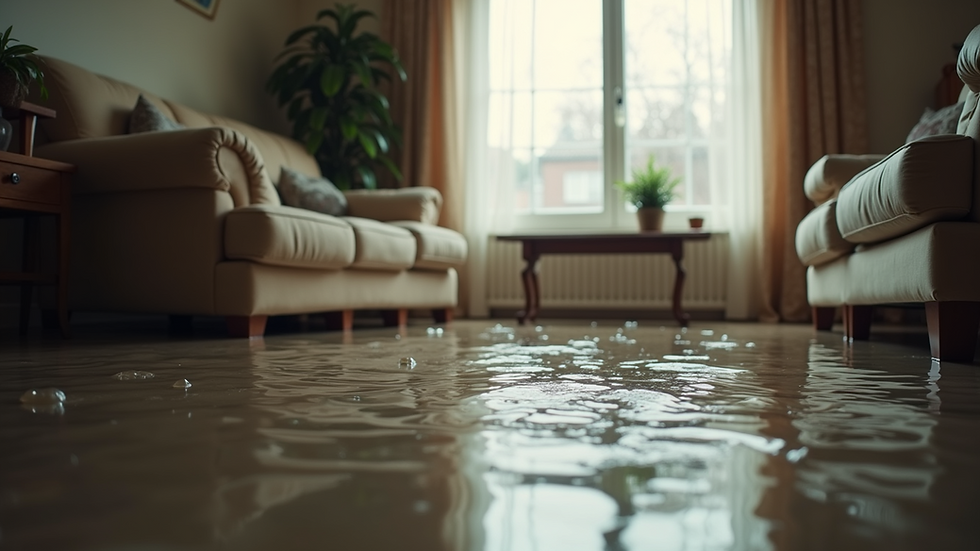
What is Water Damage Remediation?
Water damage remediation refers to the process of restoring a property affected by water intrusion. This involves not only removing the water but also addressing the underlying issues to prevent future damage. The goal is to return the property to its pre-damage condition as quickly and efficiently as possible.
Types of Water Damage
Understanding the type of water damage is essential for effective remediation. There are three main categories:
Clean Water Damage: This type originates from a clean source, such as a broken water supply line or a leaking faucet. While it poses minimal health risks, it can still cause significant damage if not addressed promptly.
Gray Water Damage: This water contains contaminants and can come from sources like washing machines or dishwashers. It poses a moderate health risk and requires careful handling during remediation.
Black Water Damage: This is the most severe type, often resulting from sewage backups or floodwaters. It contains harmful bacteria and pathogens, making it crucial to seek professional help immediately.
The Water Damage Remediation Process
The remediation process typically involves several key steps:
1. Assessment and Inspection
The first step is to assess the extent of the damage. Professionals will inspect the property to identify the source of water intrusion and evaluate the affected areas. This assessment helps determine the necessary remediation plan.
2. Water Extraction
Once the assessment is complete, the next step is to remove standing water. This is done using specialized equipment like pumps and vacuums. Quick water extraction is vital to minimize damage and prevent mold growth.
3. Drying and Dehumidification
After water extraction, the affected areas must be thoroughly dried. This involves using industrial-grade fans and dehumidifiers to eliminate moisture from walls, floors, and furniture. Proper drying is essential to prevent mold and mildew.
4. Cleaning and Sanitizing
Once everything is dry, the next step is to clean and sanitize the affected areas. This includes using antimicrobial treatments to eliminate any remaining bacteria or mold spores. It’s crucial to ensure that the environment is safe for occupants.
5. Restoration
The final step is restoration, which involves repairing or replacing damaged materials. This could include drywall, flooring, or even structural elements. The goal is to restore the property to its original condition.
Why You Need Professional Help
While some may consider handling water damage on their own, professional remediation services offer several advantages:
Expertise: Professionals have the training and experience to assess and address water damage effectively.
Specialized Equipment: They use advanced tools and techniques that are not typically available to the average homeowner.
Time Efficiency: Professionals can complete the remediation process more quickly, reducing the risk of further damage.
Insurance Assistance: Many remediation companies can assist with insurance claims, making the process smoother for homeowners.
Choosing the Right Water Damage Remediation Service
Selecting the right service provider is crucial for effective remediation. Here are some tips to help you make an informed decision:
1. Check Credentials
Ensure the company is licensed, insured, and certified. This guarantees that they meet industry standards and regulations.
2. Read Reviews
Look for customer reviews and testimonials. This can provide insight into the company’s reputation and the quality of their services.
3. Ask About Experience
Inquire about the company’s experience in handling water damage remediation. A company with a proven track record is more likely to deliver satisfactory results.
4. Get Multiple Quotes
Don’t settle for the first quote you receive. Obtain estimates from several companies to compare prices and services offered.
5. Evaluate Response Time
Water damage can worsen quickly, so choose a company that offers prompt response times. A quick response can significantly reduce the extent of the damage.
Preventing Water Damage
While remediation services are essential for recovery, prevention is equally important. Here are some tips to help you prevent water damage in your home or business:
Regular Maintenance: Inspect plumbing systems regularly for leaks or signs of wear. Address any issues promptly to prevent larger problems.
Install Sump Pumps: If you live in an area prone to flooding, consider installing a sump pump to manage excess water.
Proper Drainage: Ensure that gutters and downspouts are clear and directing water away from your property.
Seal Windows and Doors: Check for gaps or cracks around windows and doors and seal them to prevent water intrusion during storms.
Conclusion
Understanding water damage remediation services is essential for any homeowner or business owner. By knowing the types of water damage, the remediation process, and how to choose the right service provider, you can effectively manage water damage situations. Remember, prevention is key, so take proactive steps to protect your property from potential water damage. If you ever find yourself facing water damage, don’t hesitate to reach out to professionals who can help restore your space efficiently and safely.


Comments